
Honda saves one model from failed electric car project
 1/4
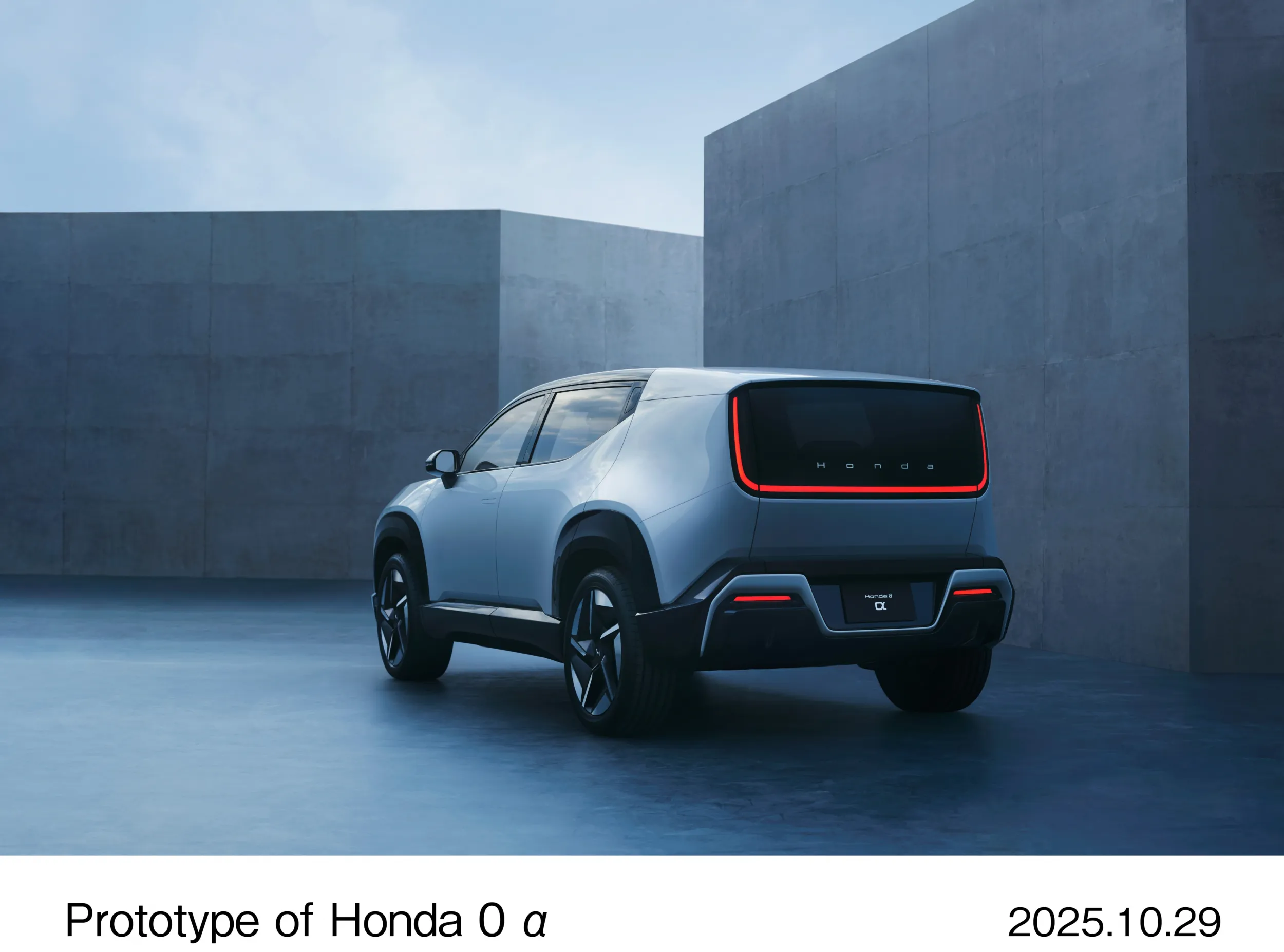
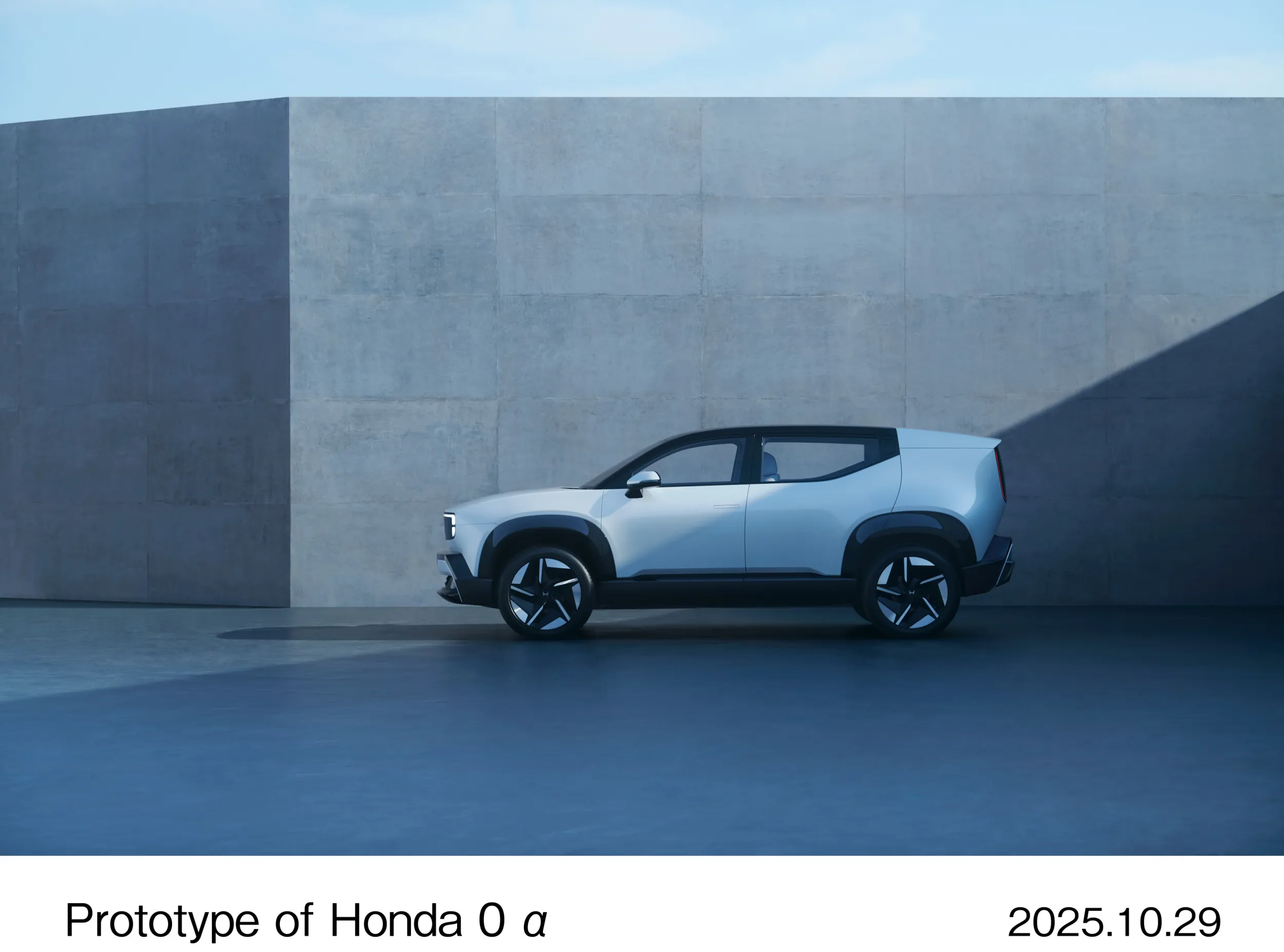
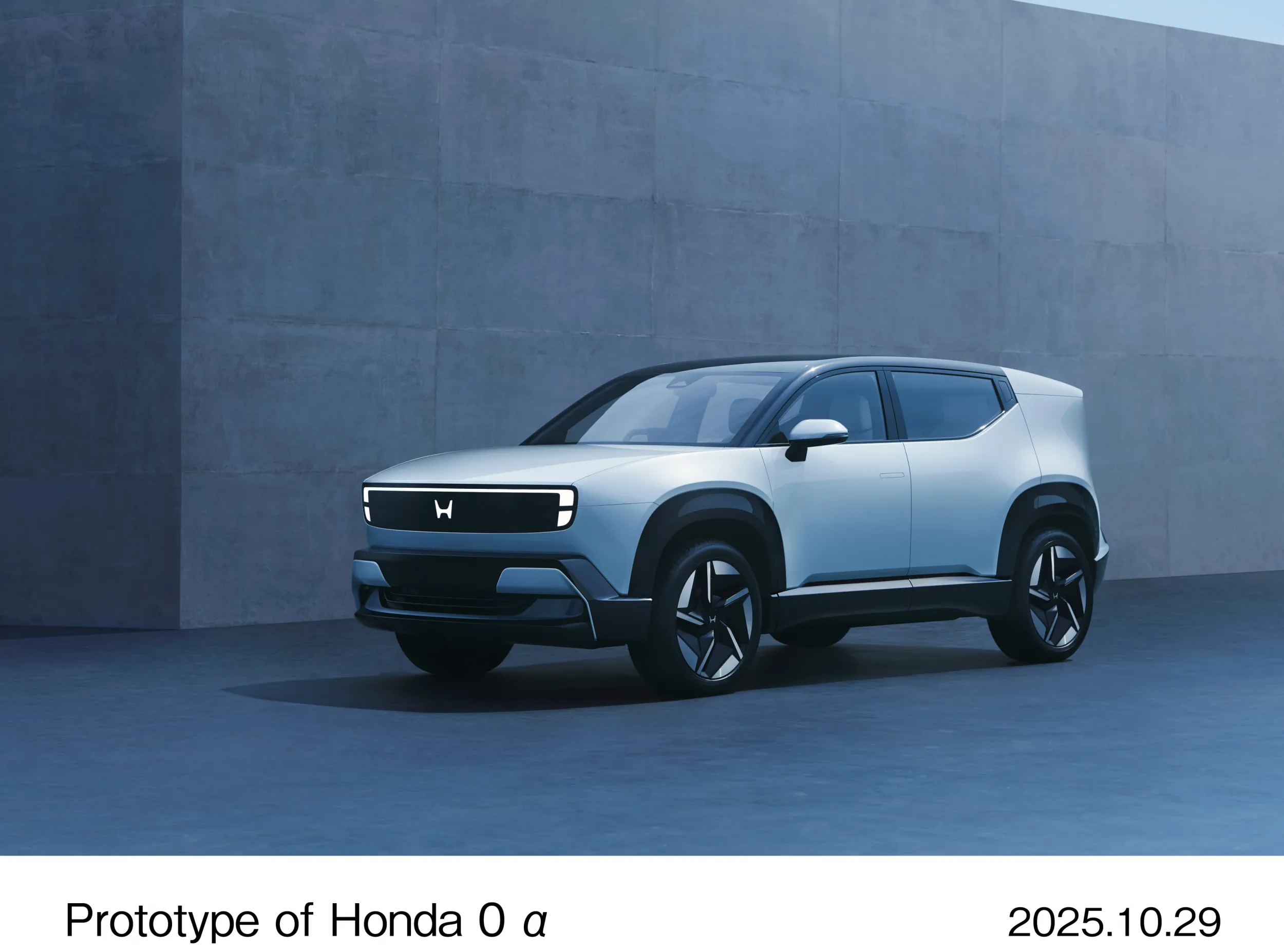
Honda abandoned its ambitious 0 Series electric car project in the spring following losses running into the billions, but one model escaped the cuts. The compact Honda 0 Alpha electric SUV will enter series production in India, with its official unveiling scheduled for 2 December. Sales will begin in the first few months of 2027, but buyers in Europe and the Americas will initially miss out on the new model.
Honda abandoned its major electric car plan but spared the smallest model
Honda announced in March that it would end development of three electric cars planned for the North American market. The company scrapped the futuristic Honda 0 Saloon and 0 SUV projects, along with the Acura RSX electric SUV. The decision was driven by slowing demand for electric cars, changes in US trade policy and growing pressure on profitability.
The exception was the Honda 0 Alpha, whose development continues in India. According to official information from the Japanese carmaker, the company will place greater emphasis on hybrids and develop electric cars in regions where their production and sale offer better economic prospects.
Indian publication CarWale confirms that Honda will unveil the production version of the 0 Alpha on 2 December 2026. The car will go on sale early the following year and become Honda’s first all-electric SUV developed specifically for the Indian market.
A dedicated platform and a battery of up to 75 kWh
The Honda 0 Alpha uses a new platform designed specifically for electric cars. According to the model’s chief engineer, Toshikazu Hirose, the car shares some components with other Honda models to reduce development and production costs.
The technical specifications are not yet final. According to Autocar India, Honda is planning two lithium iron phosphate (LFP) batteries, with capacities potentially ranging from around 65 to 75 kWh. A single-motor, front-wheel-drive version is expected to be offered initially.
Press reports have also suggested a range of up to 650 km, but Honda has not confirmed this. There is also no information about the test cycle, charging power or motor output. It would therefore be premature to compare the claimed range with European WLTP figures.
Futuristic design reaches production almost unchanged
Honda unveiled the 0 Alpha prototype at the Tokyo motor show in October 2025. The car follows the company’s “Thin, Light and Wise” design philosophy, which aims to combine a slim body, low weight and the most spacious cabin possible.
The SUV stands out with pronounced wheel arches, a low roofline and an almost upright rear end. A black front panel brings together the LED headlights, illuminated Honda emblem and charging port. A U-shaped light strip defines the rear.
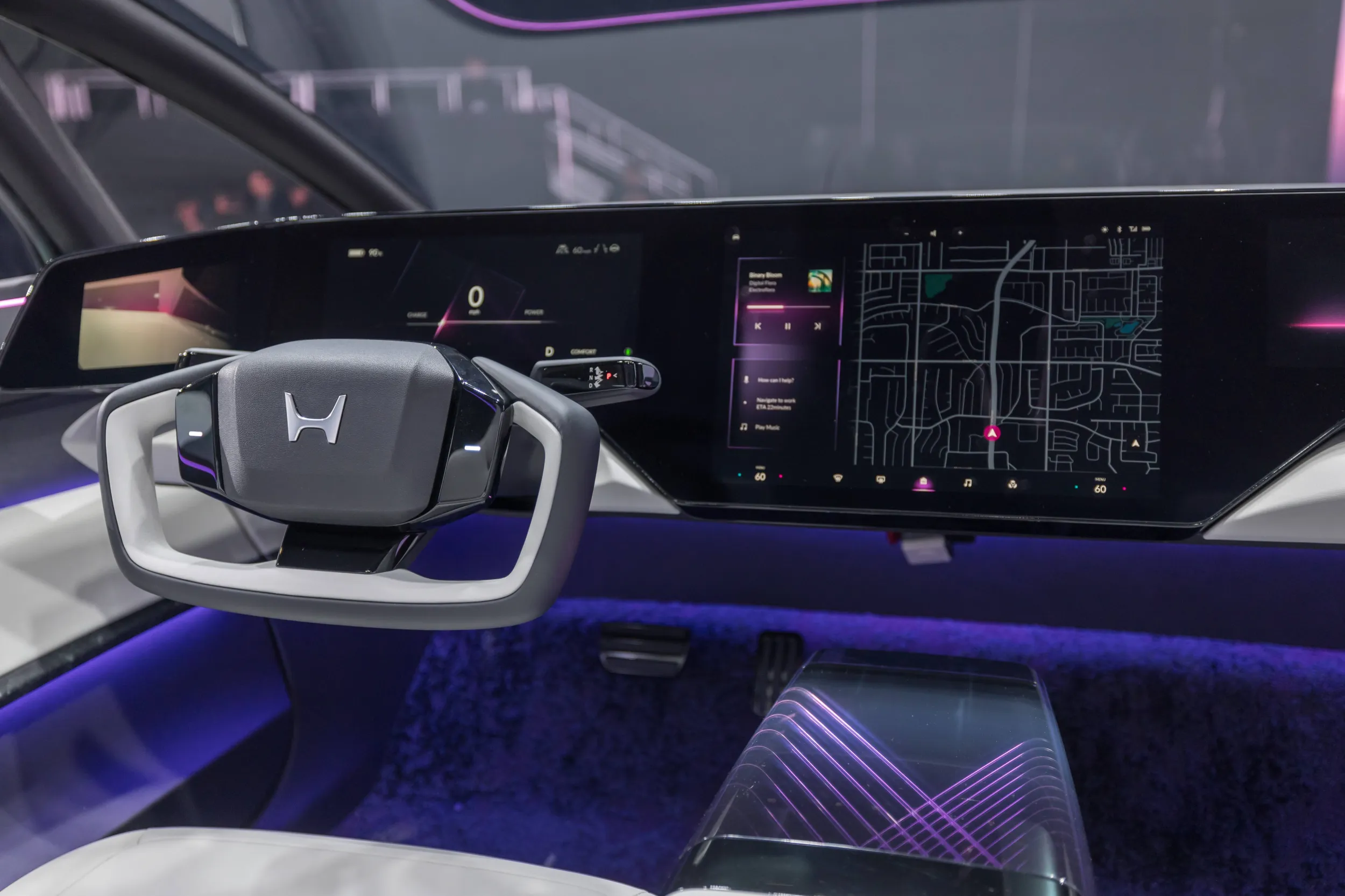
A camouflaged prototype being tested on Indian roads confirms that Honda will retain much of the concept car’s exterior design for the production model. Earlier spy photographs also revealed a large central screen, a smaller digital instrument cluster and steering-wheel paddles for adjusting the level of regenerative braking.
Honda is focusing primarily on space efficiency. An expected wheelbase of 2,700 to 2,800 mm should provide sufficient room for both passengers and luggage, although the car’s exact exterior dimensions are not yet known.
Indian-built electric car will not come to Europe
Honda will establish 0 Alpha production at its Tapukara plant in the state of Rajasthan. India will become the model’s main market and export hub, with cars later shipped to Japan and Southeast Asian countries, including Thailand and Indonesia.
According to TopElectricSUV, Honda representatives confirmed that the company does not plan to sell the 0 Alpha in Europe or North America. The Japanese manufacturer is developing the model primarily around the technical requirements and price sensitivity of Asian markets.
In Europe, the 0 Alpha would compete with models such as the Kia EV3 and Suzuki e Vitara in terms of size and purpose. A more affordable electric SUV would be a relevant addition to Honda’s European range, particularly following the end of Honda e production and the modest sales success of the e:Ny1.
In the Indian market, however, the new model will face the Hyundai Creta Electric, Maruti Suzuki e Vitara and Mahindra BE 6. It is against these rivals that Honda must prove it can offer a competitive battery, range and equipment at a reasonable price.
The 0 Alpha’s success will therefore depend more on price than on futuristic design. For Honda, the project offers an opportunity to maintain development of its electric car technology without repeating the enormous investments required for the models planned for the American market.


