
Subaru to drop boxer engines in Europe and switch entirely to electric cars
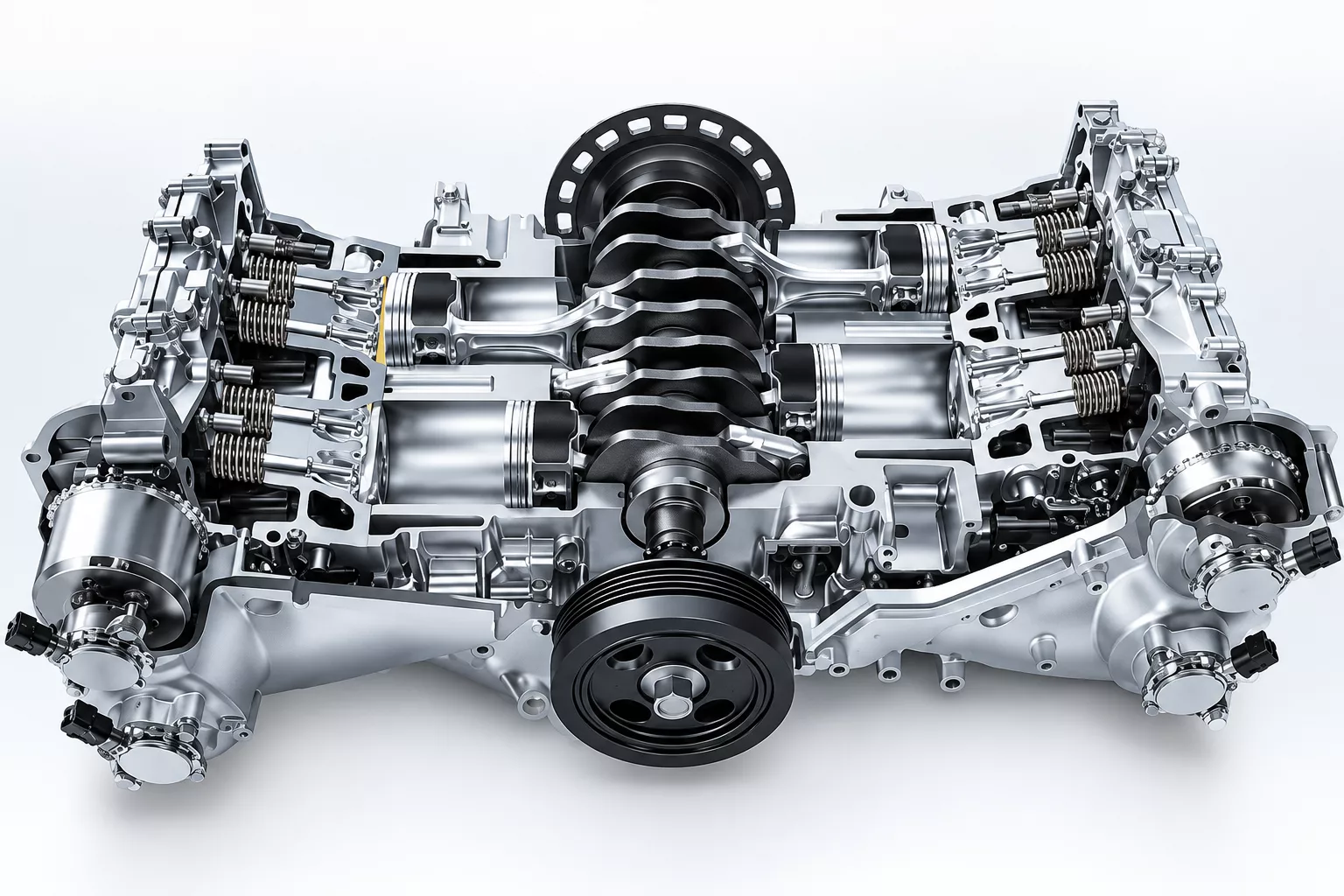
Subaru will end sales of combustion-engined cars in Europe by the end of 2027, saying goodbye to the boxer engines that have become its trademark. From 2028, the Japanese manufacturer's European line-up is expected to consist of just three electric cars, all using technology developed in collaboration with Toyota.
According to German publication auto motor und sport, Subaru's German operation confirmed that the change is being driven by Europe's tightening emissions requirements and new safety standards. For a manufacturer with low sales volumes, adapting combustion-engined models to European requirements is becoming increasingly expensive.
Six decades of boxer engines come to an end in Europe
Subaru began producing four-cylinder boxer engines in 1966. These engines, with their low centre of gravity, became a technical hallmark of the brand alongside its symmetrical all-wheel drive.
The first model to leave the European line-up will be the Outback with its 2.5-litre, 124 kW boxer engine, with sales ending in 2026. The Impreza, Crosstrek and Forester will also disappear during the following year. These models use a 2.0-litre, 100 kW e-Boxer mild-hybrid powertrain.
The decision is not without risk for Subaru. In Germany, boxer-engined models accounted for approximately 81 per cent of the brand's sales in the first nine months of 2026. Although the share of electric cars rose to 19 per cent, winning over existing buyers will require more than just a new powertrain.
Three electric cars take over
Subaru's European future rests on the Solterra, Uncharted and E-Outback.
The updated Solterra's dual-motor all-wheel-drive system develops 252 kW and accelerates the car to 100 km/h in 5.1 seconds. The more compact Uncharted offers front-wheel or all-wheel drive, depending on the version, and a range of up to 585 km.
The E-Outback replaces the existing petrol-engined estate, offering 280 kW of power and a 74.7 kWh battery. The technical kinship between all three models and Toyota helps Subaru reduce development costs while remaining competitive in Europe's electric car market.
Subaru loses its most distinctive feature
The departure from Europe does not mean the worldwide end of boxer engines. Subaru will continue developing them for other markets, including Japan and North America.
In Europe, however, buying a combustion-engined Subaru will soon be a thing of the past. This puts the manufacturer in a difficult position: electric cars based on Toyota technology may be more economical and powerful than its existing models, but differentiating them from technically similar Toyota models will become harder.
For Subaru, more than one engine type is at stake. The boxer engine and symmetrical all-wheel drive shaped the brand's identity for decades. Now Subaru must prove that it can offer the same character without its best-known technical feature.


